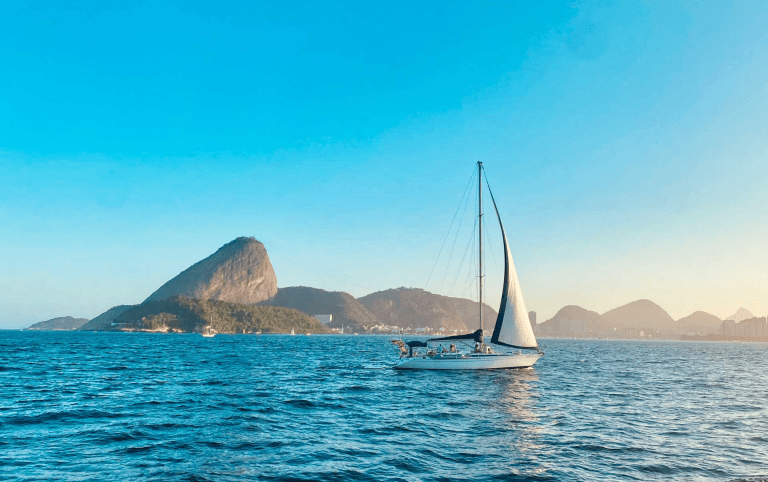
Aerial view of Brazil's coastline and Amazon region with travel icons illustrating visa-free travel growth.
Updated: April 9, 2026
In a year of shifting travel norms, brazil Travel Brazil sits at a crossroads of policy, demand, and experience as nations expand visa-free access and Brazil shapes its offer to international visitors. The changes are not just about ease of entry; they reverberate across airports, tourism towns, local economies, and the way travelers plan, book, and spend while in the country. This analysis maps the drivers behind these shifts, the practical realities on the ground, and the scenarios Brazil faces as 2026 approaches.
Visa-Free Expansion: Policy Signals and Market Response
Recent moves by Brazil to widen visa-free entry for several countries signal a deliberate tilt toward easier business and leisure travel. The policy narrative resembles a broader global trend: countries seek to lower friction for short stays to stimulate hospitality, culture, and commerce, while maintaining guardrails on security and immigration. For visitors, visa-free access can shorten planning timelines, reduce upfront costs, and open sampling opportunities across major hubs like Sao Paulo, Rio de Janeiro, and Recife. For local operators, the implication is a higher volume of inquiries, faster decision cycles for itineraries, and a need to adapt offer matrices to accommodate a growing mix of travelers—families, solo explorers, and small groups pursuing both culture and commerce. Yet the policy shift also raises questions about capacity, particularly in iconic ecosystems such as the Amazon and coastal ecosystems under pressure from climate and seasonal flux. In practice, the impact will hinge on how quickly consular services scale, how the e-visa or visa-free processes are digitized, and how destination marketing aligns with traveler risk assessments and currency volatility.
Travel Experience and Infrastructure Readiness
Brazil’s travel experience hinges on a blend of world-class urban gateways and more nascent regional infrastructure. Airports like Guarulhos and Galeão have invested in processing efficiency and digital boarding, yet regional connectivity remains uneven. Domestic transport—air, road, and river routes—shapes day-by-day itineraries for travelers who want to move from the cosmopolitan energy of cities to the ecological quiet of the Cerrado, Pantanal, or Amazon basin. For 2026, travelers and operators are weighing how quickly guided experiences can be scaled: longer Amazon excursions demand careful scheduling, sustainable practices, and community partnerships, while coastal routes around Bahia and Santa Catarina benefit from improved ferry and road networks. Safety, health services, and language accessibility also influence decisions, especially for travelers combining business with leisure or those seeking immersive cultural programs rather than quick hops between highlights. The practical takeaway is clear—success depends on clarity of logistics, transparent pricing, and consistent service delivery across all transit points and experiences.
Economic and Social Implications for Regions and Communities
Expanded visa-free access can catalyze demand in multiple Brazilian regions, not just the capital’s hospitality sector. Coastal towns, ecotourism corridors, and culturally distinct communities stand to gain from longer stays and diversified tourist profiles. However, benefits require careful management: local operators must balance growth with conservation goals, while municipalities need data-driven planning to mitigate congestion, price pressures, and cultural displacement. The tourism economy can create jobs and spur small-business development, yet it also raises concerns about housing affordability for residents and the pressures on fragile ecosystems. The deeper question for 2026 is how Brazil channels international interest into inclusive, sustainable growth—supporting community-led initiatives, ensuring fair labor practices in hospitality, and maintaining environmental safeguards that protect iconic landscapes for future visitors.
Policy Narratives and Public Perception
Policy shifts around visa-free access interact with public sentiment and media framing. In Brazil, informed travelers are increasingly weighing costs, safety, and the authenticity of experiences against the ease of entry. Public discourse often links visa policies with macroeconomic health, exchange-rate stability, and the perceived openness of the country to global markets. For travel professionals, understanding these narratives matters: it helps design itineraries that manage expectations, communicate value, and build resilience against external shocks such as currency swings or global travel disruptions. The most practical implication is to align marketing and operational planning with transparent visa timelines, clear guidance on stays and renewals, and partnerships that emphasize sustainable, community-inclusive experiences rather than quick, high-volume tours.
Actionable Takeaways
- Monitor official visa-free entry timelines and ensure booking systems reflect current eligibility rules to avoid last-minute changes for travelers.
- Strengthen partnerships with regional operators to offer sustainable itineraries that balance iconic sights with community-based experiences.
- Invest in multilingual support and clear transit information at major hubs to improve the traveler journey from airport to accommodation.
- Communicate transparent pricing, visa expectations, and safety guidelines to reduce uncertainty for first-time visitors.
Source Context
For background on visa-free entry expansions and Brazil’s broader travel strategy, see these industry reports and coverage: