Understanding Tourism Ratings: A Comprehensive Guide to Decoding Attraction Reviews
In today’s digital age, the decision-making process for travelers often begins online, with a plethora of reviews and ratings guiding their choices. Understanding tourism ratings can significantly enhance your travel planning, helping you select attractions, accommodations, and experiences that best suit your preferences. This comprehensive guide will delve into the intricacies of tourism ratings, equipping you with the knowledge to interpret and leverage these reviews effectively.
The Importance of Tourism Ratings
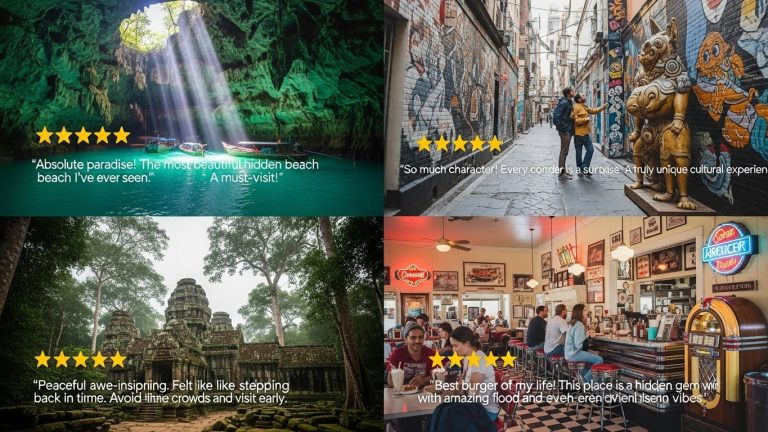
Tourism ratings serve as a critical compass for travelers worldwide. They offer insights into the quality and appeal of various attractions and accommodations, helping potential visitors make informed decisions. With millions of reviews available across platforms, these ratings can provide a snapshot of an attraction’s overall reputation, influencing both consumer behavior and business success.
Furthermore, tourism ratings have become a significant factor in the tourism industry’s digital marketing strategy. High ratings can enhance an establishment’s online visibility, attracting more visitors and boosting revenue. On the other hand, poor ratings can deter potential visitors, underscoring the importance of maintaining high standards of service and customer satisfaction.
Decoding the Star Rating System
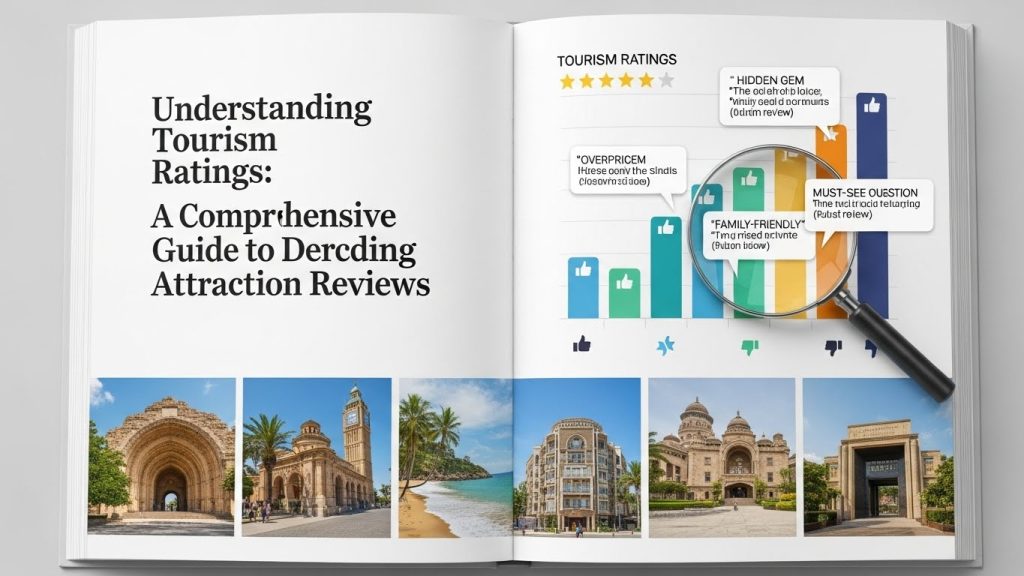
The star rating system is one of the most common methods used to evaluate tourism attractions. Typically ranging from one to five stars, this system offers a quick visual indicator of an attraction’s quality. However, the criteria for assigning stars can vary significantly depending on the platform and the type of attraction being reviewed. For example, TripAdvisor might employ different criteria than local tourism boards or other travel websites.

While a five-star rating generally signifies excellence, it’s essential to understand the context of these ratings. A five-star rating for a budget hostel will differ in meaning from a five-star luxury hotel rating, as each is evaluated based on its category and target market. Therefore, travelers should consider the type of attraction and the expectations associated with it when interpreting star ratings.
Beyond Stars: Customer Reviews and Feedback
While star ratings provide a quick overview, customer reviews offer more in-depth insights. Reviews often highlight specific experiences, both positive and negative, that can provide a more comprehensive understanding of an attraction. When reading reviews, it’s beneficial to look for patterns or recurring themes. For instance, if multiple reviews mention long wait times or exceptional service, these aspects are likely significant factors to consider.
It’s also crucial to evaluate the credibility of reviews. Some platforms implement verification processes to ensure that reviews are written by genuine visitors. For instance, Yelp employs a review filtering system to maintain the integrity of its recommendations. When assessing reviews, consider the reviewer’s profile, the detail and specificity of their feedback, and whether their experiences align with your expectations.
The Role of Visuals in Tourism Ratings
In addition to written reviews, photos and videos play a pivotal role in tourism ratings. Visuals can provide a realistic depiction of an attraction, offering potential visitors a glimpse of what to expect. High-quality images showcasing key features, amenities, and unique experiences can significantly enhance an attraction’s appeal.
Travelers often rely on visual content to verify the claims made in reviews. Photos can reveal the true condition of an attraction, including aspects not captured in written feedback. As such, businesses are encouraged to include authentic images that accurately represent their offerings, while travelers can use these visuals to corroborate the information in reviews.
Understanding Review Platforms
Several platforms dominate the tourism rating landscape, each with its unique features and audience. Understanding the nuances of these platforms can help travelers make more informed decisions.
- TripAdvisor: As one of the largest travel review websites, TripAdvisor offers millions of reviews covering a wide range of attractions worldwide. It provides both star ratings and detailed reviews, making it a comprehensive resource for travelers.
- Google Reviews: Integrated with Google Maps, these reviews offer quick access to ratings and feedback about local attractions and businesses. They are easily accessible and provide a convenient way to gauge an attraction’s popularity and quality.
- Booking.com: Primarily focused on accommodation, Booking.com provides verified reviews from travelers who have completed their stay, ensuring authenticity and reliability.
- Yelp: Known for its strong community of reviewers, Yelp offers insights primarily into dining and local attractions, with a focus on detailed, personal feedback.
Each platform has its strengths, and savvy travelers often cross-reference reviews from multiple sites to gain a well-rounded perspective. It’s important to consider the context and focus of each platform when interpreting ratings and reviews.
Common Pitfalls in Interpreting Tourism Ratings
While tourism ratings are invaluable, there are common pitfalls that travelers should avoid. One such pitfall is relying solely on the overall rating without considering the number of reviews. A high rating based on a few reviews may not be as reliable as a slightly lower rating supported by a substantial number of reviews. For instance, an attraction with a 4.5-star rating from 1,000 reviews may be more dependable than a five-star rating from only ten reviews.
Another pitfall is failing to account for personal preferences. Ratings and reviews are inherently subjective, and what one traveler considers a flaw, another might see as a benefit. For example, an attraction known for its lively atmosphere may receive mixed reviews, depending on whether visitors were seeking a vibrant experience or a tranquil retreat.
The Impact of Fake Reviews
Fake reviews pose a significant challenge in the tourism industry, as they can distort the perception of an attraction’s quality. These reviews can be either overly positive or negative, often posted to manipulate an establishment’s reputation. Recognizing fake reviews can be difficult, but several red flags may indicate their presence, such as generic language, lack of detail, or an unusually high concentration of reviews within a short timeframe.
Many platforms have implemented measures to combat fake reviews. For example, Booking.com only allows reviews from verified guests, while other platforms use algorithms to detect suspicious activity. Travelers should be vigilant and critical when reading reviews, considering both the content and the context to discern authenticity.
Conclusion: Making the Most of Tourism Ratings
Tourism ratings are a powerful tool for enhancing travel experiences, offering valuable insights into the quality and appeal of attractions. By understanding the nuances of ratings systems, platforms, and reviews, travelers can make more informed decisions that align with their preferences and expectations.
To maximize the benefits of tourism ratings, travelers should consider a variety of factors, including the type of platform, the volume and consistency of reviews, and their personal travel goals. By doing so, they can effectively navigate the vast landscape of tourism ratings, ensuring memorable and satisfying travel experiences.
In an ever-evolving digital landscape, staying informed about the latest trends and developments in tourism ratings can further enhance your travel planning. For more insights on how digital tools are transforming the travel industry, consider exploring resources like Skift, a leader in travel industry intelligence.
Leveraging Ratings for Travel Planning
To effectively incorporate tourism ratings into your travel planning, start by setting clear goals for your trip. Are you seeking adventure, relaxation, cultural immersion, or a combination of experiences? Understanding your priorities will help you identify which reviews and ratings are most relevant to your journey.
Next, use ratings as a starting point for deeper research. Look into the top-rated attractions and read a variety of reviews to get a sense of what to expect. For instance, an adventure seeker might focus on the Lonely Planet recommendations for outdoor activities, while a cultural enthusiast may prioritize sites with rich historical significance.
Incorporate a mix of high-rated mainstream attractions along with local hidden gems. While popular spots often guarantee an excellent experience, lesser-known sites can offer unique, authentic encounters away from the crowds. Reviews can guide you in uncovering these treasures, often highlighted by travelers who enjoy off-the-beaten-path adventures.
Using Mobile Apps for Real-Time Reviews
In recent years, mobile apps have revolutionized how travelers access and utilize tourism ratings. Apps like TripAdvisor, Yelp, and Google Maps allow users to read and leave reviews in real-time, providing up-to-date information that can influence spontaneous travel decisions.
These apps often include features that enhance the travel experience, such as maps, navigation, and the ability to book tickets or make reservations directly. By leveraging these tools, travelers can make informed choices on-the-go, ensuring a seamless and enjoyable journey.
Moreover, mobile apps support community engagement, enabling travelers to connect with fellow explorers, share experiences, and offer recommendations. This interactive element can enrich your travel experience, providing insights and advice from a global network of travelers.
Contributing to the Tourism Community
As a traveler, contributing to the tourism community by leaving detailed and honest reviews can help others make informed decisions. When writing reviews, consider including specific details about your experience, such as the quality of service, the condition of facilities, and any standout moments.
Strive to balance your review by mentioning both positive aspects and areas for improvement. This balanced approach can provide a comprehensive view of the attraction, assisting future visitors in setting realistic expectations.
Additionally, uploading clear and relevant photos can significantly enhance your review. Visuals offer powerful evidence to support your written feedback, providing a more complete picture for those considering a visit.
Future Trends in Tourism Ratings
As technology continues to evolve, the future of tourism ratings will likely see significant advancements. Emerging technologies such as artificial intelligence and augmented reality are poised to enhance how travelers interact with reviews and ratings.
AI-driven platforms could offer personalized recommendations based on a traveler’s past preferences and behavior, streamlining the decision-making process. Meanwhile, augmented reality could allow travelers to experience attractions virtually before visiting, providing an innovative way to explore potential destinations.
Furthermore, the integration of social media platforms with tourism ratings could create a more interconnected and dynamic travel ecosystem. Travelers might soon share experiences in real-time through live streaming and interactive content, further enriching the tourism community.
For those interested in the intersection of technology and travel, resources like Tnooz offer insights into the latest innovations shaping the travel industry.
Final Thoughts
Understanding and utilizing tourism ratings is an essential skill for modern travelers. By decoding reviews, leveraging technology, and contributing to the community, you can enhance your travel experiences and assist others in making informed decisions.
As you embark on your next adventure, remember that tourism ratings are just one part of the broader travel narrative. While they offer valuable guidance, the ultimate measure of a successful trip lies in the personal experiences and memories you create along the way. Embrace the journey with an open mind and a spirit of exploration, and let tourism ratings serve as a helpful tool in your travel toolkit.
About the Author