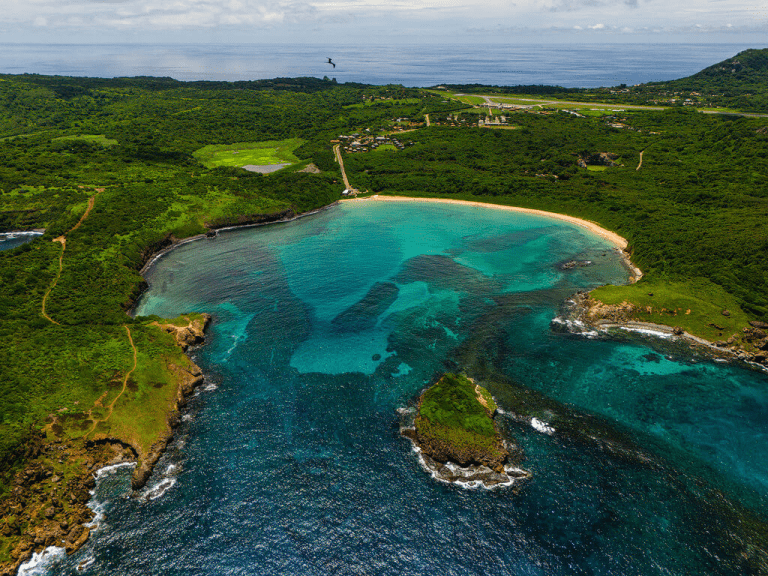
The Hidden Gems of Atrações Brasileiras: Unexplored Attractions in Brazil
Brazil, a country renowned for its vibrant culture, stunning landscapes, and famous landmarks such as Christ the Redeemer and the Amazon Rainforest, holds a treasure trove of lesser-known attractions. These hidden gems are scattered across the vast Brazilian landscape, offering unique experiences away from the bustling tourist trails. In this article, we delve into some of these unexplored attractions, uncovering the secrets of Atrações Brasileiras that await the adventurous traveler.
1. The Enchanting Beauty of Chapada dos Veadeiros
Located in the state of Goiás, Chapada dos Veadeiros National Park is a UNESCO World Heritage Site that offers a mystical experience for nature lovers. This park is characterized by its dramatic landscapes, including towering waterfalls, deep canyons, and quartz crystal formations. The area is also home to a rich variety of flora and fauna, making it a haven for ecotourism.
Visitors to Chapada dos Veadeiros can embark on numerous hiking trails that range from easy walks to challenging treks. One of the most popular routes leads to the spectacular Saltos do Rio Preto, a series of waterfalls that plunge into natural pools below. The park is also renowned for its spiritual energy, attracting those interested in holistic healing and meditation.
2. The Mysterious Vale do Javari
Deep within the Amazon Rainforest lies the enigmatic Vale do Javari, a region that remains largely untouched by modern civilization. This area is home to some of the last uncontacted tribes in the world, providing a rare glimpse into ancient human cultures. The Brazilian government strictly regulates access to Vale do Javari to protect these indigenous communities, making it a truly unexplored gem.

For those fortunate enough to visit, the region offers unparalleled biodiversity. The dense jungle is teeming with wildlife, including jaguars, giant otters, and a myriad of bird species. Exploring the Vale do Javari is a journey into the heart of the Amazon, where the natural world reigns supreme.
3. The Serene Ilha do Cardoso
Ilha do Cardoso is a pristine island located off the coast of São Paulo, known for its tranquil beaches and lush Atlantic Forest. As part of the Ilha do Cardoso State Park, this island is a sanctuary for both marine and terrestrial biodiversity. The park’s remote location ensures that it remains a peaceful escape from the bustling city life.
Visitors to Ilha do Cardoso can enjoy activities such as birdwatching, snorkeling, and hiking. The island’s trails wind through dense forests, revealing hidden waterfalls and breathtaking vistas. The local caiçara communities offer a glimpse into traditional coastal living, with opportunities to try fresh seafood and learn about their customs and way of life.
4. The Captivating Landscapes of Jalapão
Jalapão, located in the state of Tocantins, is often referred to as Brazil’s final frontier. This remote region is characterized by its stark desert landscapes, interspersed with oases, rivers, and unique rock formations. The area’s relative isolation has preserved its natural beauty, making it a paradise for adventure seekers.
One of Jalapão’s most iconic features is the Fervedouro, a series of crystal-clear springs where visitors can experience the sensation of floating due to the upwelling water. The region also boasts the impressive Cachoeira da Velha, a massive waterfall that offers opportunities for swimming and photography. Sandboarding on the dunes of Jalapão is another popular activity, providing thrilling experiences in a stunning natural setting.
5. The Rich History of Ouro Preto
Nestled in the mountains of Minas Gerais, the historic town of Ouro Preto is a UNESCO World Heritage Site renowned for its well-preserved colonial architecture and rich cultural heritage. Once the center of Brazil’s gold rush, Ouro Preto’s cobblestone streets are lined with baroque churches and ornate buildings that tell the tale of a bygone era.
The town is a living museum, offering visitors a chance to explore Brazil’s colonial past. Key attractions include the Church of São Francisco de Assis and the Museum of Inconfidência, which houses artifacts from the period of the Inconfidência Mineira, a significant movement in Brazil’s history. The vibrant local culture is also reflected in the town’s numerous festivals and traditional crafts.
6. The Untouched Wilderness of Lençóis Maranhenses
Lençóis Maranhenses National Park, located in the northeastern state of Maranhão, is a unique landscape of sweeping white sand dunes interspersed with seasonal freshwater lagoons. This natural wonder is unlike any other place on Earth, offering a surreal experience for those who venture into its vast expanse.
The best time to visit Lençóis Maranhenses is during the rainy season, when the lagoons are filled with water, creating a striking contrast with the surrounding dunes. Visitors can explore the park on foot or by 4×4 vehicles, with opportunities for swimming in the crystal-clear lagoons. The nearby town of Barreirinhas serves as the gateway to this enchanting desert landscape.
7. The Cultural Mosaic of Salvador’s Pelourinho
The historic district of Pelourinho in Salvador, Bahia, is a vibrant cultural mosaic that reflects Brazil’s Afro-Brazilian heritage. This area is famed for its colorful colonial buildings, lively music scene, and rich traditions that celebrate the country’s diverse roots.
Pelourinho is a UNESCO World Heritage Site, offering a plethora of attractions, including the Church of São Francisco, known for its opulent gold leaf interior. The district comes alive with music and dance, especially during the annual Carnival and Festa de Iemanjá celebrations. Visitors can immerse themselves in local culture by exploring the area’s numerous museums, art galleries, and culinary delights.
Takeaways
Brazil’s hidden gems offer a wealth of unexplored attractions that promise unforgettable experiences for those willing to venture off the beaten path. From the mystical landscapes of Chapada dos Veadeiros to the serene beauty of Ilha do Cardoso, these attractions showcase the diversity and richness of Atrações Brasileiras. Whether you’re seeking adventure, culture, or tranquility, Brazil’s lesser-known destinations provide a glimpse into the country’s soul, inviting travelers to discover the magic that lies beyond the well-trodden trails.
As we journey through these unexplored attractions, it’s essential to consider the impact of tourism on these pristine environments. Sustainable travel practices are vital to preserving the natural and cultural heritage of Brazil’s hidden gems. By engaging in eco-friendly activities, supporting local communities, and respecting indigenous traditions, travelers can contribute positively to the conservation efforts in these areas.
8. The Spectacular Canyons of Aparados da Serra
Situated on the border between the states of Rio Grande do Sul and Santa Catarina, Aparados da Serra National Park is home to some of the most breathtaking canyons in Brazil. The park’s main attraction is the Itaimbezinho Canyon, a dramatic chasm carved by millions of years of geological activity.
Visitors can explore the canyon through a series of well-marked trails that offer panoramic views of the surrounding landscapes. The park is also a haven for wildlife, with numerous bird species and mammals inhabiting the area. For those interested in geology, Aparados da Serra provides a fascinating insight into the Earth’s natural processes, making it a must-visit for nature enthusiasts.
9. The Vibrant Ecosystem of the Pantanal
The Pantanal, the world’s largest tropical wetland, spans across Brazil, Bolivia, and Paraguay. This vast ecosystem is a paradise for wildlife lovers, offering some of the best opportunities for observing animals in their natural habitats. Unlike the dense Amazon rainforest, the open landscapes of the Pantanal provide excellent visibility for spotting jaguars, capybaras, and diverse bird species.
Exploring the Pantanal can be done through guided tours that include boat rides, horseback safaris, and walking excursions. These tours are often led by local guides who provide invaluable insights into the region’s ecology and conservation efforts. To truly appreciate the complexity and beauty of the Pantanal, consider visiting during the dry season when wildlife congregates around the remaining water sources.
10. The Mystical Vale da Lua
Vale da Lua, or Valley of the Moon, is a surreal landscape located near Chapada dos Veadeiros. Named for its moon-like rock formations, the valley is a result of thousands of years of erosion by the waters of the São Miguel River. The smooth, cratered rocks and natural pools create an otherworldly atmosphere that captivates visitors.
Exploring Vale da Lua is a relatively easy endeavor, with short trails leading to the main sites. The area is also known for its rich mineral deposits, making it a popular spot for crystal enthusiasts. As part of the greater Chapada dos Veadeiros region, Vale da Lua offers a unique opportunity to witness the power of natural forces in shaping the Earth.
11. The Tranquil Waters of Bonito
Bonito, located in the state of Mato Grosso do Sul, is renowned for its crystal-clear rivers and stunning underwater caves. This region is a hotspot for ecotourism, offering a variety of activities such as snorkeling, diving, and river tubing. The waters of Bonito are teeming with vibrant fish and aquatic plants, providing a colorful underwater spectacle.
One of the highlights of Bonito is the Gruta do Lago Azul, a mesmerizing cave with a deep blue lake that seems to glow in the sunlight. Other popular spots include the Rio da Prata, known for its exceptional snorkeling experiences, and the Buraco das Araras, a large sinkhole that serves as a sanctuary for red-and-green macaws. Bonito’s commitment to sustainable tourism ensures that its natural beauty remains preserved for future generations to enjoy.
Final Thoughts
The hidden gems of Atrações Brasileiras offer a unique perspective on Brazil’s incredible diversity. From the serene landscapes of Chapada dos Veadeiros to the vibrant ecosystems of the Pantanal, these attractions invite travelers to explore the lesser-known facets of this magnificent country. By embracing sustainable travel and respecting local cultures, visitors can help preserve these treasures, ensuring that they remain unspoiled for generations to come.
Whether you’re an adventurer, a nature lover, or a cultural enthusiast, Brazil’s unexplored attractions promise unforgettable experiences that go beyond the ordinary. So pack your bags, open your heart to new adventures, and discover the hidden wonders of Brazil’s captivating landscapes.
About the Author