Eco-friendly Travel: How to Visit Tourist Attractions Responsibly
Traveling is a wonderful way to explore new cultures, meet diverse people, and experience the beauty of our planet. However, as the number of tourists increases worldwide, so does the impact on the environment. From carbon emissions to waste generation, the consequences of mass tourism are becoming increasingly evident. The good news is that you can still enjoy traveling while minimizing your environmental footprint. This guide will explore how to visit tourist attractions responsibly, ensuring that future generations can also enjoy these wonders.
Understanding the Importance of Eco-friendly Travel
Eco-friendly travel, also known as sustainable or responsible travel, focuses on reducing the negative impact of tourism on the environment, economy, and communities. It’s about making choices that benefit both the traveler and the planet. According to the United Nations World Tourism Organization, sustainable tourism can create jobs, promote local culture, and contribute to the conservation of ecosystems.
Choosing Sustainable Destinations
The first step in eco-friendly travel is selecting a destination that prioritizes sustainability. Many regions are now recognized for their efforts in promoting eco-tourism. For example, Costa Rica is renowned for its biodiversity and conservation efforts, with numerous national parks and reserves. Similarly, Bhutan limits the number of tourists and charges a daily fee to support sustainable initiatives.

When planning your trip, research the destination’s environmental policies and practices. Look for places that emphasize renewable energy, waste reduction, and community involvement. Websites like The International Ecotourism Society provide valuable information on eco-friendly destinations.
Traveling Responsibly
Once you’ve chosen a destination, consider your mode of transportation. Air travel is one of the largest contributors to carbon emissions. If possible, opt for trains or buses, which are more energy-efficient. When flying is unavoidable, consider purchasing carbon offsets to balance your emissions. Organizations like Carbon Footprint allow you to calculate your carbon emissions and support projects that reduce carbon dioxide in the atmosphere.
Upon arrival, use public transportation, rent a bicycle, or walk to explore the local attractions. Not only does this reduce your carbon footprint, but it also allows you to experience the destination more intimately.
Supporting Local Economies
Supporting local businesses is a crucial aspect of eco-friendly travel. When you choose to eat at locally-owned restaurants, shop at markets, or stay in community-run accommodations, you help the local economy thrive. This support creates jobs, preserves culture, and reduces the need for imported goods, which often have a larger environmental impact.
Consider staying at eco-friendly accommodations that implement sustainable practices, such as water conservation and waste reduction. Websites like Green Hotels list environmentally conscious lodging options worldwide.
Being a Responsible Tourist
As a responsible tourist, it’s essential to respect the local customs, traditions, and environment. Here are some tips to ensure your actions align with eco-friendly travel principles:
- Minimize waste by carrying reusable items such as water bottles, shopping bags, and utensils.
- Follow designated trails and respect wildlife by maintaining a safe distance and not feeding animals.
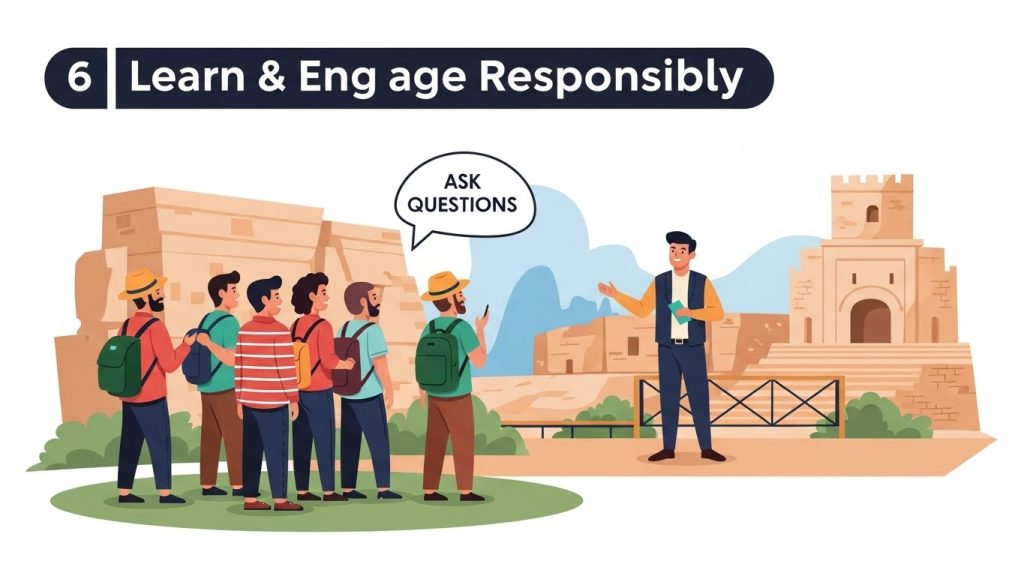
- Participate in eco-friendly tours that prioritize conservation and education.
- Conserve resources by taking shorter showers, turning off lights, and reusing towels in hotels.
Engaging in Conservation Activities
Many destinations offer opportunities for tourists to engage in conservation activities. Whether it’s volunteering at a wildlife sanctuary, participating in a beach cleanup, or planting trees, these activities not only benefit the environment but also provide a deeper connection to the destination.
Consider participating in citizen science projects, where travelers can contribute to scientific research by collecting data on local wildlife or ecosystems. This hands-on experience often leads to a greater appreciation for the natural world and the importance of conservation efforts.
Educating Yourself and Others
Education is a powerful tool in promoting eco-friendly travel. By learning about the environmental challenges facing your destination, you can make informed choices that reduce your impact. Additionally, sharing your experiences with others can inspire them to adopt sustainable travel practices.
Before traveling, read about the local environment, wildlife, and conservation efforts. Many destinations offer educational programs or tours that provide insights into their unique ecological challenges and successes. Engaging with these resources can enrich your travel experience and empower you to make a positive difference.
Conclusion: Traveling with a Purpose
Eco-friendly travel is about more than just reducing your carbon footprint; it’s about fostering a deeper connection with the world and its people. By choosing sustainable destinations, supporting local economies, and engaging in conservation efforts, you can enjoy the wonders of travel while ensuring that these attractions remain for future generations. As you plan your next adventure, remember that every choice you make has an impact. Travel responsibly, and let your journey be a testament to the beauty and resilience of our planet.
For more information on how to travel sustainably, consider visiting resources like the National Geographic’s Sustainable Travel section, which offers insights and tips for eco-conscious travelers. By staying informed and making mindful decisions, you can play a significant role in preserving the world’s natural and cultural heritage.
Incorporating Technology for Sustainable Travel
In today’s digital age, technology plays a significant role in promoting sustainable travel. Various apps and platforms can help you make eco-friendly choices throughout your journey. For instance, apps like Wikiloc provide detailed hiking and cycling routes, encouraging exploration of natural landscapes without the need for vehicles.
Similarly, accommodation platforms now offer filters for eco-friendly hotels, allowing travelers to book stays that adhere to sustainable practices. Use technology to research and book restaurants that source locally or practice zero-waste cooking. Additionally, many museums and attractions offer virtual tours, which is a great way to experience cultural sites with minimal environmental impact.
Engaging with Local Communities
One of the most rewarding aspects of travel is the opportunity to engage with local communities. This engagement not only enriches your travel experience but also supports the preservation of local cultures and traditions. Consider participating in community-led tours, workshops, or cultural exchanges, which often provide insights that mainstream tourism overlooks.
Engaging in local festivals or events is another excellent way to immerse yourself in the culture while supporting the community. Always approach these interactions with respect and openness, recognizing the value of diverse perspectives and knowledge.
Advocating for Sustainable Tourism
Your voice as a traveler can significantly impact sustainable tourism practices. By advocating for eco-friendly policies, you encourage businesses and governments to adopt more sustainable practices. Provide feedback to hotels, tour operators, and restaurants, praising their sustainable efforts or suggesting areas for improvement.
Join or support organizations dedicated to sustainable tourism, as these groups work to create industry-wide changes that promote environmental stewardship and social responsibility. By actively participating in discussions and initiatives, you contribute to a larger movement aimed at transforming the tourism sector.
Reflecting on Your Impact
After your travels, take the time to reflect on your experiences and the impact of your journey. Consider what you learned about the destination’s environmental and cultural challenges and successes. Reflecting on your travel experiences can lead to a deeper understanding of your role in promoting sustainable tourism and inspire future actions.
Share your experiences and insights with friends, family, and fellow travelers, encouraging them to consider eco-friendly travel practices. Your stories can inspire others to make sustainable choices, creating a ripple effect that extends far beyond your individual actions.
Continuing the Journey
Eco-friendly travel is an ongoing journey, not a one-time effort. Continuously seek knowledge about sustainable practices and innovations in the tourism industry. As you plan future trips, strive to build upon your previous experiences, adopting new strategies to minimize your environmental impact while maximizing the positive effects on local communities.
Remember that every step towards sustainability counts, and even small changes in your travel habits can make a significant difference. By committing to responsible travel, you become part of a global movement dedicated to preserving the planet’s natural and cultural treasures for generations to come.
Final Thoughts
The world is full of breathtaking destinations and vibrant cultures waiting to be discovered. As travelers, we have the privilege and responsibility to protect these wonders. By embracing eco-friendly travel, we can ensure that our adventures contribute positively to the destinations we visit. Let your travels be guided by the principles of respect, sustainability, and mindfulness, and you’ll find that the rewards extend far beyond the journey itself.
For those passionate about making a difference, organizations like Responsible Travel provide additional resources and travel options that align with sustainable values. Together, we can shape a future where travel is not only a source of joy and discovery but also a force for good.
About the Author