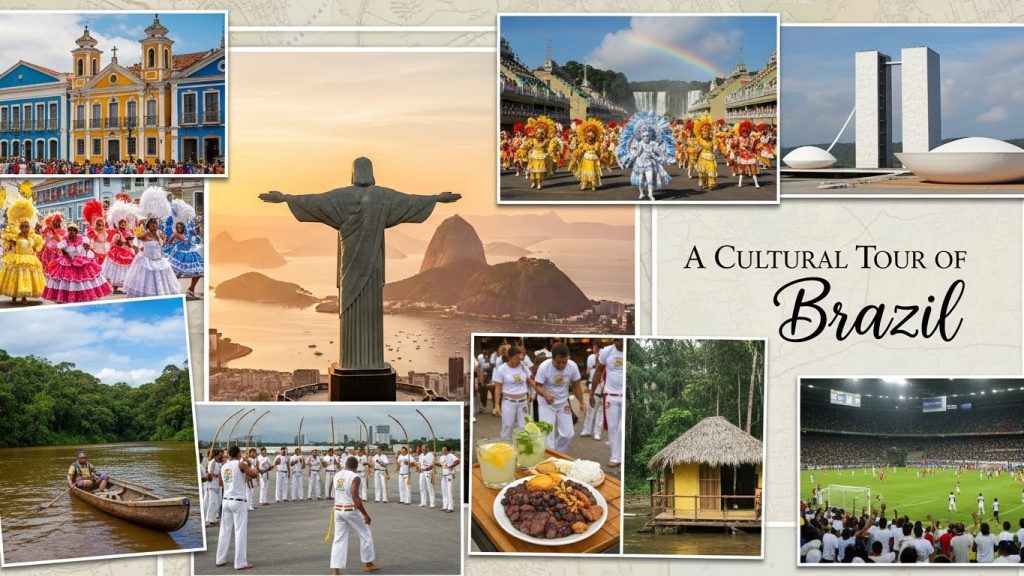
A Cultural Tour of Brazil: Highlighting the Best Atrações Brasileiras
Brazil, a country renowned for its vibrant culture and diverse landscapes, offers an array of attractions that captivate travelers from around the globe. From the rhythmic beats of samba to the architectural wonders of colonial towns, Brazil’s cultural tapestry is as rich as it is varied. This cultural tour delves into some of the most celebrated atrações brasileiras, providing a deeper understanding of the country’s unique blend of traditions, history, and modern marvels.
The Enchanting World of Brazilian Music and Dance
Music and dance are intrinsic to Brazilian culture, serving as both a form of expression and a communal experience. The iconic Carnaval is a prime example, where cities like Rio de Janeiro and Salvador erupt in a colorful celebration of life, music, and dance. Samba, with its infectious rhythm, is synonymous with Carnaval and has deep roots in Afro-Brazilian culture.
Beyond samba, Bossa Nova offers a more laid-back and mellow sound, gaining international fame through artists like Antônio Carlos Jobim and João Gilberto. This genre reflects the serene coastal lifestyle of Rio de Janeiro, providing a contrast to the lively beats of samba.
For those interested in exploring the dance culture further, a visit to the birthplace of Capoeira in Salvador is a must. This Afro-Brazilian martial art combines elements of dance, acrobatics, and music, and is a testament to the resilience and creativity of enslaved Africans in Brazil.
Culinary Delights: A Taste of Brazil

Brazil’s culinary scene is a reflection of its diverse cultural influences, with flavors that range from indigenous ingredients to European and African influences. One cannot discuss Brazilian cuisine without mentioning Feijoada, a hearty black bean stew with pork, which is considered the national dish. Traditionally served on Wednesdays and Saturdays, feijoada is best enjoyed in the company of friends and family.
In the northeastern state of Bahia, Bahian cuisine stands out with its spicy and flavorful dishes such as acarajé and moqueca. These dishes showcase the African influence in Brazilian cooking, with ingredients like dendê oil and coconut milk playing a central role.
For a unique dining experience, head to the Amazon region and try tacacá, a soup made with tucupi (a yellow broth extracted from wild manioc root) and jambu (an herb that tingles the tongue). This dish offers a true taste of the Amazonian landscape and its rich biodiversity.
Architectural Marvels: A Journey Through Time
Brazil’s architectural landscape is a fascinating blend of colonial heritage and modernist innovation. The colonial towns of Ouro Preto and Paraty are perfect examples of Brazil’s colonial past, with their cobbled streets, baroque churches, and well-preserved historical buildings. These towns offer a glimpse into the country’s gold rush era and the influence of Portuguese colonization.
In stark contrast, the capital city of Brasília is a modernist masterpiece designed by architect Oscar Niemeyer and urban planner Lúcio Costa. Recognized as a UNESCO World Heritage site, Brasília’s futuristic structures, such as the Cathedral of Brasília and the Palácio da Alvorada, showcase Brazil’s ambition and innovation in the mid-20th century.
Another architectural gem is the city of Salvador’s Pelourinho, a UNESCO World Heritage site known for its vibrant façades and rich Afro-Brazilian culture. This area is a living museum of colonial architecture and is a center for music, art, and cultural expression.
Natural Wonders and Cultural Landscapes
Brazil is blessed with an abundance of natural beauty, from the lush Amazon rainforest to the breathtaking Iguazu Falls. However, the country’s cultural landscapes are equally captivating. The Pantanal, for instance, is the world’s largest tropical wetland and a UNESCO World Heritage site. It is a haven for wildlife enthusiasts and offers a unique opportunity to experience traditional Pantaneiro culture, which revolves around cattle ranching and sustainable living.
In the south, the Serra Gaúcha region is known for its European-influenced culture and picturesque vineyards. The town of Gramado, with its Bavarian-style architecture and annual film festival, feels like a piece of Europe in Brazil. Visitors can explore the region’s wine routes, sampling local varietals such as Merlot and Tannat.
Moreover, the beautiful and serene beaches of Bahia and Rio de Janeiro, such as Copacabana and Ipanema, are not only natural attractions but cultural hotspots where locals and tourists mingle, enjoying the sun, sand, and sea.
The Rich Heritage of Indigenous Cultures
Brazil is home to numerous indigenous tribes, each with its own distinct culture and traditions. The Amazon rainforest is the heartland of indigenous Brazil, where tribes such as the Yanomami and Kayapo live in harmony with nature. Visiting these communities provides invaluable insight into their way of life, traditional crafts, and the challenges they face in preserving their land and culture.
The Yanomami people, one of Brazil’s largest indigenous groups, inhabit the dense forests and mountains of northern Brazil. They are known for their unique communal living arrangements in yano (large communal houses) and their deep spiritual connection with the natural world.
Efforts to preserve and promote indigenous culture can be seen in events such as the Festival of Indigenous Peoples, where tribes from across Brazil gather to share their music, dance, and crafts with a wider audience.
Conclusion: Embracing the Diversity of Brazil
A journey through Brazil is an exploration of contrasts and continuities. From the lively beats of samba to the tranquil beauty of its natural landscapes, Brazil’s cultural attractions offer something for every traveler. Whether you’re savoring the flavors of feijoada, marveling at the architectural wonders of Brasília, or immersing yourself in the vibrant traditions of indigenous communities, Brazil’s cultural richness is sure to leave a lasting impression.
As you explore these atrações brasileiras, you’ll discover that Brazil is more than just a travel destination; it’s a vibrant mosaic of histories, peoples, and traditions that beckons you to return time and time again.
The Influence of Afro-Brazilian Culture
Afro-Brazilian culture forms a significant part of Brazil’s national identity, with its influence evident in music, religion, and cuisine. The northeastern state of Bahia is the epicenter of Afro-Brazilian culture, where traditions brought by enslaved Africans have been preserved and celebrated. The city of Salvador, with its vibrant street festivals and religious practices, is often referred to as the ‘Black Rome’ for its rich African heritage.
One of the most notable aspects of Afro-Brazilian culture is the religious tradition of Candomblé. This syncretic religion combines elements of African animism with Catholicism, celebrating deities known as orixás. Visitors to Salvador can attend Candomblé ceremonies, which are characterized by drumming, chanting, and dance, providing a deep understanding of the spiritual beliefs that have shaped the region’s identity.
Music genres such as Axé and Samba-Reggae also have roots in Afro-Brazilian culture. These styles are not only popular during Carnaval but throughout the year, reflecting the ongoing influence of African rhythms and melodies in Brazilian music.
Exploring Brazil’s Literary and Artistic Contributions
Brazil’s literary scene is as diverse as its culture, with writers exploring themes ranging from social inequality to the beauty of the natural world. Authors such as Jorge Amado and Clarice Lispector have gained international acclaim for their works, offering insights into Brazilian society and the human condition. Amado’s novels, often set in Bahia, provide a vivid portrayal of Afro-Brazilian culture and the struggles of marginalized communities.
Brazil’s contribution to the visual arts is equally significant. The country’s artistic movements, such as Modernismo in the 1920s, have played a pivotal role in defining Brazilian art. Artists like Tarsila do Amaral and Anita Malfatti challenged conventional aesthetics and pioneered a uniquely Brazilian art style that celebrated the nation’s identity. Visitors can explore these works at the Museu de Arte de São Paulo (MASP), which houses an extensive collection of Brazilian and international art.
Cultural Festivals: Celebrations of Diversity
Brazil’s calendar is filled with festivals that celebrate its diverse cultural heritage. From the world-renowned Rio Carnaval to the colorful Festa Junina in the rural northeast, these events offer a chance to experience the joy and community spirit that define Brazilian celebrations.
The Festa Junina, held in June, is a celebration of rural life with roots in the Catholic feast days of saints like St. John the Baptist. Featuring traditional music, dance, and food, the festival is a testament to Brazil’s agrarian traditions and the influence of Portuguese colonization.
In the Amazon region, the Festival of Parintins is a spectacular celebration of folk culture, where the legendary tale of the boi-bumbá (a mythical ox) is retold through elaborate performances and costumes. This festival highlights the folklore and traditions of the Amazonian people, showcasing their creativity and cultural pride.
The Role of Language in Cultural Identity
Language is a crucial component of cultural identity, and in Brazil, the Portuguese language is a unifying element that connects its diverse regions. However, Brazil’s linguistic landscape is also shaped by indigenous languages, of which there are over 150 still spoken today. Efforts to preserve these languages are ongoing, with educational programs and cultural initiatives aimed at revitalizing indigenous linguistic heritage.
The use of Portuguese in Brazil has evolved over time, incorporating elements from indigenous languages and African dialects, resulting in a distinctly Brazilian version of the language. This linguistic evolution is a reflection of Brazil’s cultural melting pot and its ability to adapt and integrate different influences.
Conclusion: A Tapestry of Cultures
Brazil’s cultural attractions offer a rich and diverse tapestry of experiences that reflect the country’s history, people, and landscapes. From the vibrant rhythms of Afro-Brazilian music to the serene beauty of its natural wonders, Brazil invites travelers to explore its unique blend of cultural elements. By embracing its diversity, Brazil continues to inspire and captivate those who seek to understand its complex and multifaceted identity.
As you embark on this cultural tour, you’ll find that Brazil is more than just a destination—it’s a living, breathing mosaic of traditions and innovations that invites you to explore, celebrate, and connect with its people and their stories.
About the Author