brazil Travel Brazil: Brazil Travel Revival: Tourism Push and Market
Updated: April 9, 2026
The brazil Travel Brazil trajectory is shifting as Brazil doubles down on reopening and capacity-building for both leisure travelers and MICE travel. This analysis situates recent policy signals, market data, and event-driven demand within a longer horizon of recovery, highlighting how the country’s choices influence travelers, airlines, and local economies. The brazil Travel Brazil frame is not simply about visas or bookings; it reflects how domestic infrastructure and international linkages converge to re-anchor Brazil as a top destination in an unsettled global travel cycle.
Context: The global rebound and Brazil’s positioning
Global travel demand is returning unevenly across regions, and Brazil has positioned itself to capture a larger share by combining policy flexibility with a strategic focus on connectivity. The government’s move to expand visa-free access to eight additional countries signals a willingness to shorten the time between market signals and traveler decisions. Airlines have responded with schedule adjustments and new codeshare patterns, while hotels and convention centers are calibrating capacity to support larger groups and MICE operations in major gateways such as Rio de Janeiro and Sao Paulo. For the average Brazilian traveler, this creates opportunities but also a marketplace with more choices and room-rate sensitivity during peak seasons.
Policy levers: Visa, flights, and MICE-focused strategies
Policy levers matter because they translate into lower friction at the border, easier group travel planning, and more predictable occupancy across tourism infrastructure. The visa-free expansion reduces administrative hurdles for visitors from participating countries, potentially broadening the pool of first-time travelers and business visitors who consider Brazil as a destination for conferences, trade shows, and incentives. On the flight side, stronger air links and more frequent departures push price competitiveness and schedule reliability, two factors that strongly influence both leisure itineraries and corporate travel policies. The MICE segment, historically a slower burn in emerging markets, benefits from targeted marketing, visa simplification, and smoother collaboration with event organizers, hotels, and convention centers that can handle large delegations and long stays.
Destinations in focus: Rio, São Paulo, and regional hubs
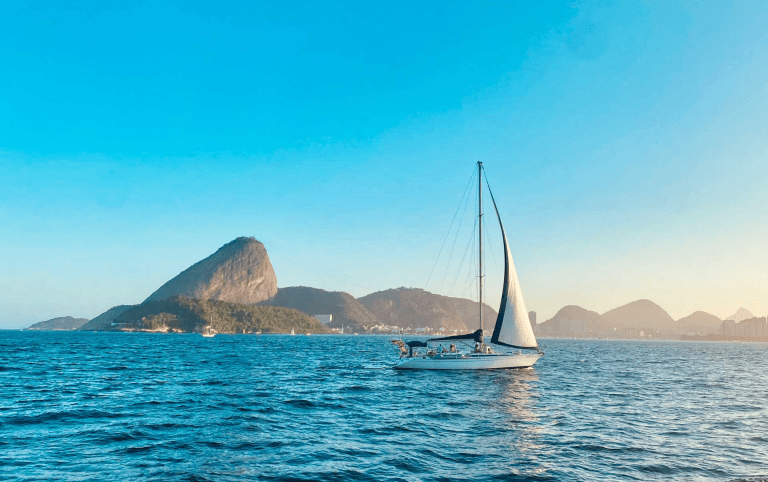
Rio de Janeiro remains a symbolic focal point for international audiences, with Carnival-like events and a dense hotel cluster that supports large groups. Yet the Brazilian travel rebound also increasingly revolves around secondary hubs such as Salvador, Recife, and Belo Horizonte, where cultural routes and coastal tourism offer different value propositions for visitors and investors. The Carnival 2026 cycle, noted in industry reporting, underscores how iconic events can catalyze a tourist influx even as off-peak periods require sustained promotion and price discipline. Airlines and hotel groups are aligning product bundles—air + hotel + experiences—to secure longer stays and higher average daily rates while maintaining accessibility for mid-market travelers.
Economic and community impact: Risks and resilience
Policy optimism must be weighed against real-world constraints: price volatility, seasonal demand swings, and the capacity of local communities to absorb growth. A sharper focus on sustainable tourism and community benefits helps mitigate risks of overtourism in fragile ecosystems and cultural sites. The same policy toolkit that supports international access can backfire if service quality, safety, or currency fluctuations erode traveler confidence. Authorities and private operators are increasingly testing risk-management frameworks, from data-driven demand forecasting to flexible cancellation policies, to preserve resilience in the face of external shocks such as global fuel prices or regional health concerns. In practice, sustained benefits will hinge on consistent service standards, transparent pricing, and equitable local investments that accompany visitor growth.
Actionable Takeaways
- Plan for a longer booking horizon as visa and flight policy changes take full effect, especially for MICE itineraries.
- Look for bundled offers that combine airfare, lodging, and experiences to maximize value during peak seasons.
- Evaluate destinations beyond Rio to unlock lower prices and alternate cultural routes that appeal to diverse traveler segments.
- Monitor local pricing and service quality to avoid price inflation that could deter repeat visitors.
- Engage with local tourism boards and hotels to gain access to sustainable travel programs and community-benefit initiatives.
Source Context
From an editorial perspective, separate confirmed facts from early speculation and revisit assumptions as new verified information appears.