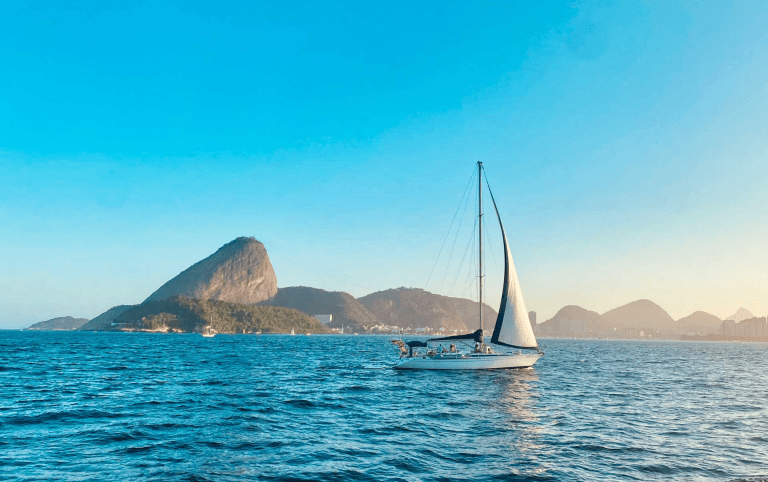
Brazil travel scenes featuring beach, airport, and rainforest.
Updated: April 9, 2026
brazil Travel Brazil is no longer a niche slogan but a frame for how policymakers, operators, and travelers think about the country’s evolving tourism map. After years when sunshine and carnival defined expectations, Brazil now faces a more complex mix of visa rules, regional diversification, and demand from new markets. This analysis examines how recent policy shifts, infrastructure investments, and traveler choices interact to shape travel patterns across Brazil in the near term.
Policy Terrain and Traveler Confidence
Recent policy moves, reported by industry outlets, signal an intent to make entry easier for some markets while diversifying Brazil’s tourism base. The idea of visa-free entry for several countries is framed as a tool to turbo-charge tourism and MICE travel, potentially smoothing flows for conferences, business events, and short getaways. Yet travelers and operators also face a shifting matrix of documentation, registration requirements, and digital familiarity. The effect on confidence hinges on consistency of rules across ports of entry, reliability of processing times, and clear communication in multiple languages. For Brazil’s domestic regions, transparency matters almost as much as price: a visitor who reads a rule once is more likely to stay longer, visit more places, and spread spending from coastal hubs to interior towns.
Infrastructure, Accessibility, and Local Experience
Infrastructure upgrades at major gateways and within regional hubs influence practical decisions about where to travel and how long to stay. Improved air connectivity between São Paulo, Rio de Janeiro, and the Northeast can loosen the bottlenecks that previously pushed visitors toward a few saturated spots. Beyond airports, improved road networks and better public transit in urban centers shape the pace of travel and the ease with which families, solo travelers, and groups can explore multiple cities in a single itinerary. Equally important is the quality of on-the-ground experiences—local guides, community-based accommodations, and protections for fragile ecosystems—that determine whether a trip feels restorative rather than disruptive. The growing attention to sustainable travel in Brazil aligns with a longer-term demand shift: visitors increasingly seek authentic encounters with local culture, environmental stewardship, and responsible souvenir practices.
Demand Dynamics and Seasonal Shifts
Brazil’s travel demand remains highly seasonal, with spikes around major events, holidays, and festival calendars. In the coming years, a broader mix of markets—from neighboring countries to long-haul travelers—could flatten some peaks if policies succeed in distributing flows more evenly. Regions outside the established coastlines—such as the Amazon, Pantanal, and the Brazilian highlands—stand to gain if operators can package experiences that are accessible, safe, and culturally respectful. Pricing, availability, and language support will shape who visits when, and how long they stay. For the broader picture of brazil Travel Brazil, the design of itineraries that weave urban adventures with ecological and cultural immersion remains the real differentiator for travelers and operators alike.
Actionable Takeaways
- Verify current entry requirements for your nationality before booking, using official government resources rather than third-party postings.
- Plan multi-region itineraries to balance demand, support regional communities, and reduce overconcentration in single hotspots.
- Target shoulder seasons to enjoy lower costs, fewer crowds, and more time with local guides and small businesses.
- Stay flexible with dates and consider longer stays to take advantage of slower processing times or policy clarifications.
- Choose licensed operators and eco-friendly experiences to align travel with sustainable principles and local benefits.
- Follow official travel advisories and local news for changes to visa rules, health requirements, and entry procedures.
Source Context
Further reading and original reporting from policy and travel outlets:
- Visa-free expansion for eight countries and its tourism aims
- Brazil’s visa policy push and travel growth
- Brazil waives short-stay visas for Chinese citizens and broader market push
From an editorial perspective, separate confirmed facts from early speculation and revisit assumptions as new verified information appears.
Track official statements, compare independent outlets, and focus on what is confirmed versus what remains under investigation.
For practical decisions, evaluate near-term risk, likely scenarios, and timing before reacting to fast-moving headlines.
Use source quality checks: publication reputation, named attribution, publication time, and consistency across multiple reports.
Cross-check key numbers, proper names, and dates before drawing conclusions; early reporting can shift as agencies, teams, or companies release fuller context.